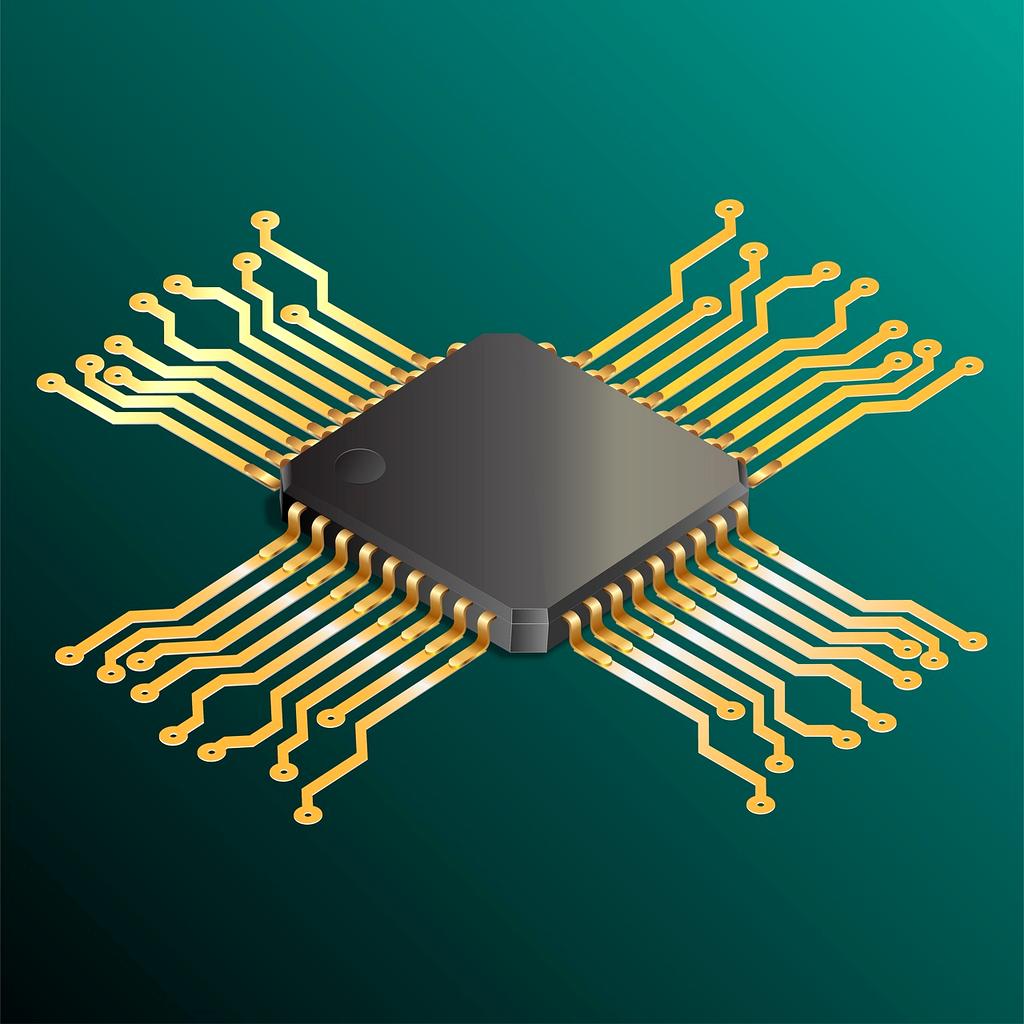
Understanding Computer Components
Dive into the core elements that build every modern computer system. From the brain of the machine - the processor - to the storage devices and power solutions, get to know how each component contributes to performance and functionality.
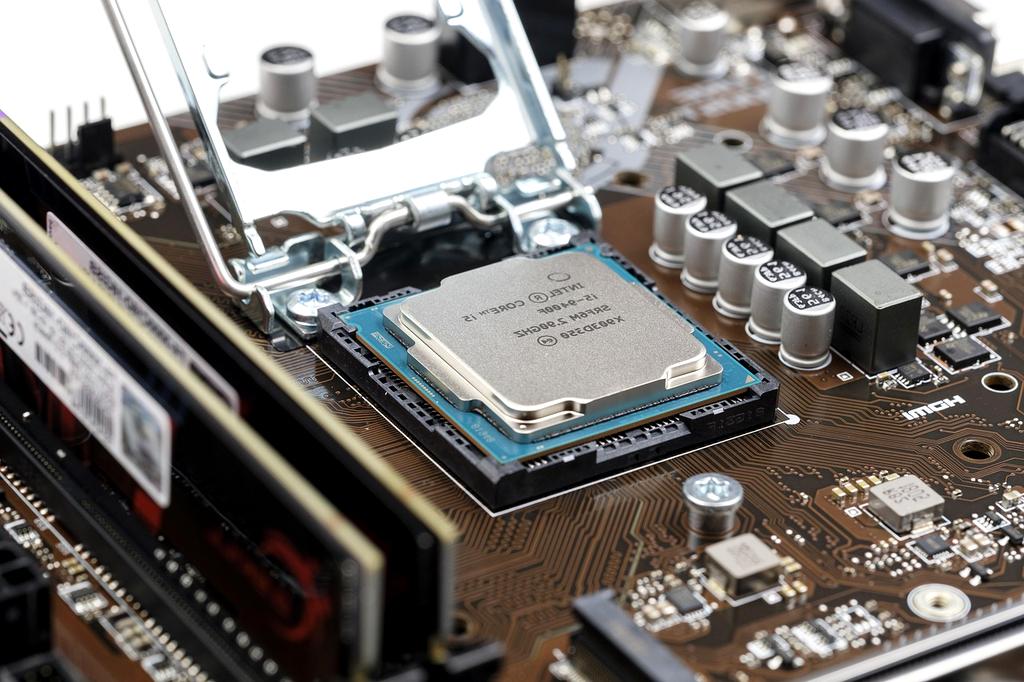
Processor (CPU)
The Central Processing Unit is the heart of your computer, responsible for executing instructions and processing data. Modern CPUs feature multiple cores and threads to handle complex computations efficiently.
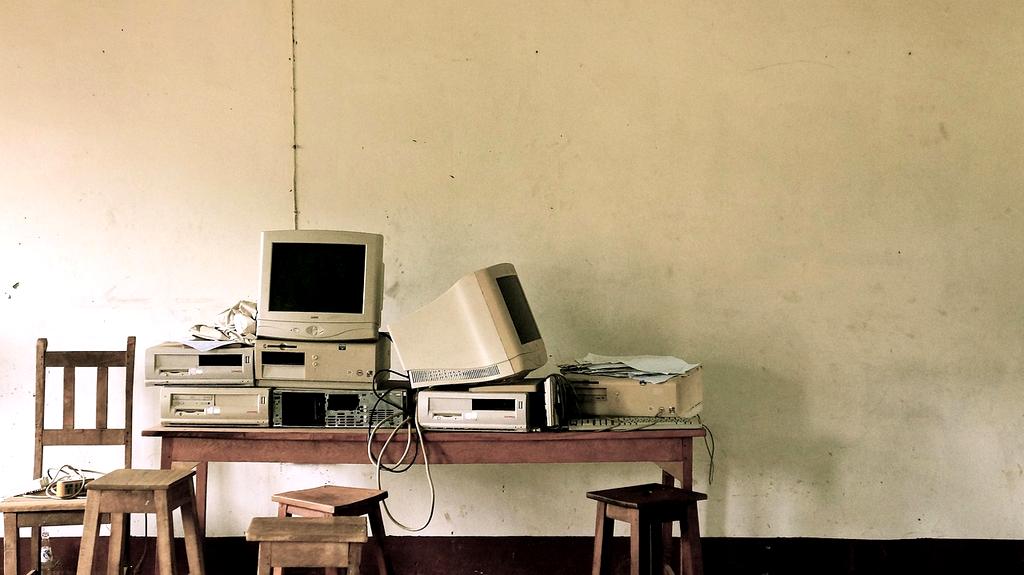
Memory (RAM)
Random Access Memory provides temporary storage for data actively used by the CPU. Faster and larger RAM improves multitasking and system responsiveness.
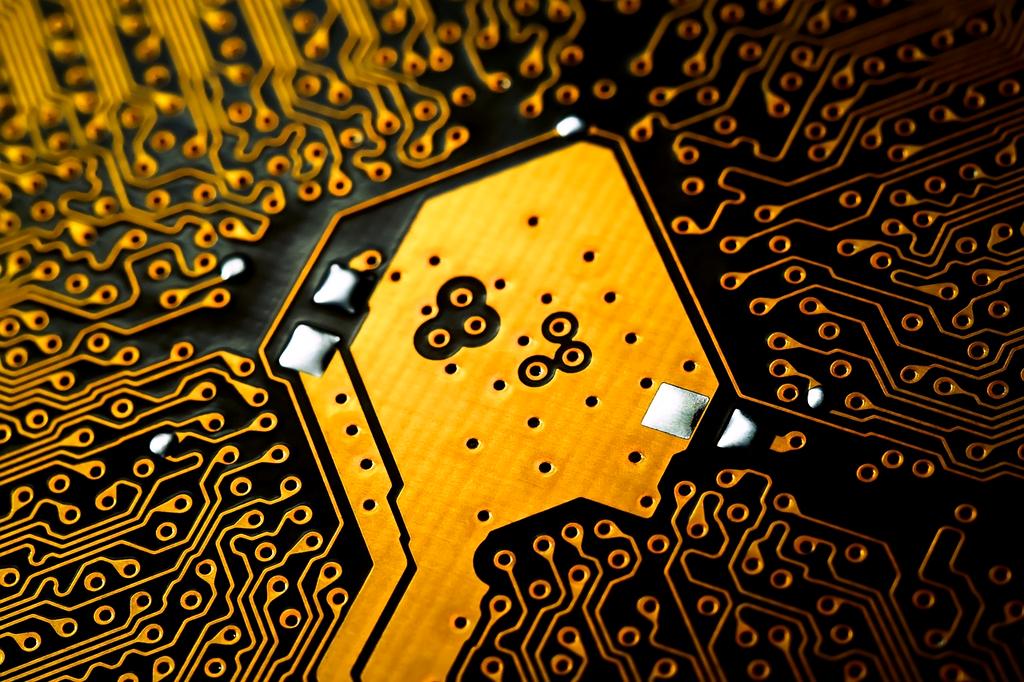
Motherboard
The main circuit board connecting all components. It provides pathways for communication between the CPU, memory, storage, and peripherals, and accommodates expansion cards and controllers.

Storage Devices
Solid State Drives and Hard Disk Drives are used to store your operating system, applications, and files. SSDs offer faster data access speeds compared to traditional HDDs.
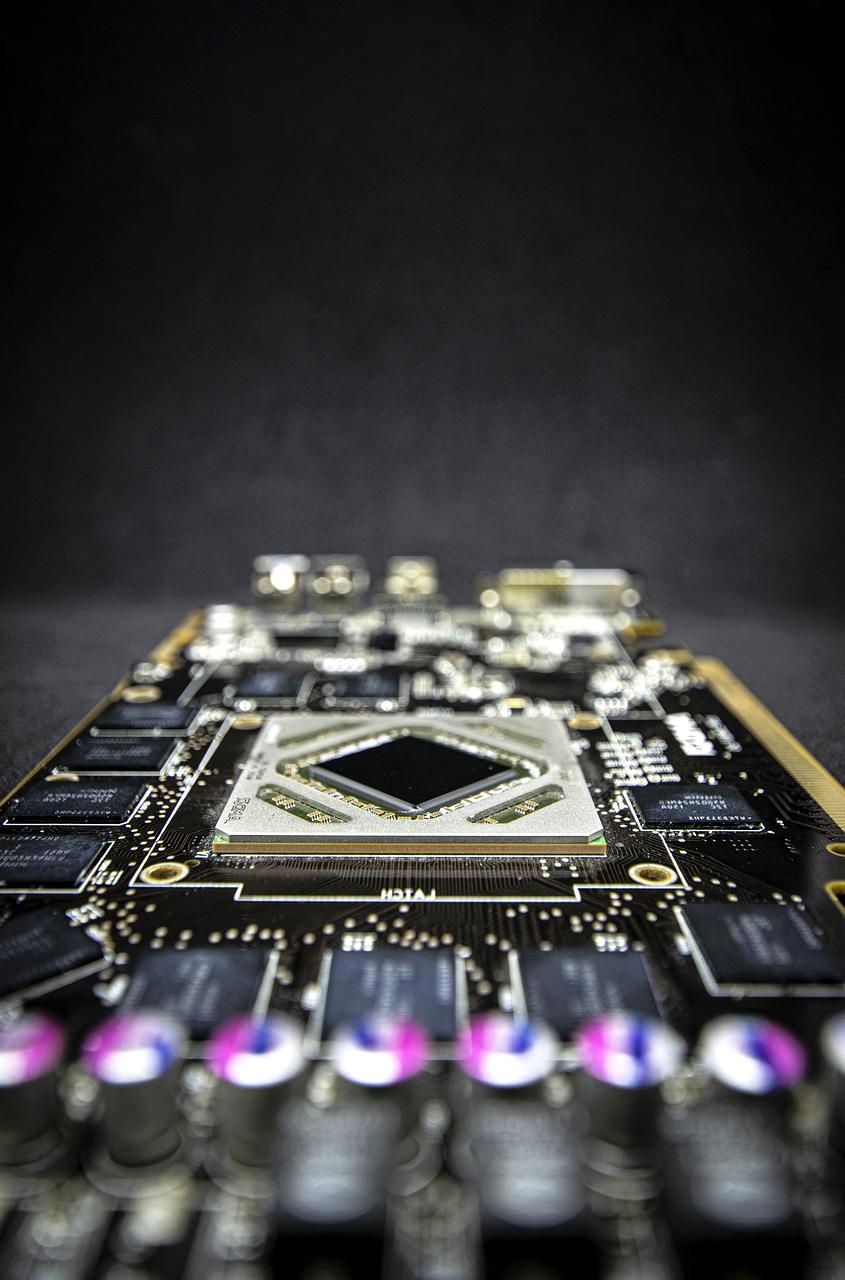
Graphics Processing Unit (GPU)
Handles rendering of images, video, and complex graphical data. Essential for gaming, video editing, and accelerating AI or scientific computations.

Power Supply Unit (PSU)
Converts electrical power from the outlet to the voltages needed by the computer components. Quality PSUs ensure stable power delivery and protect hardware from electrical damage.
Configure Your Quantum Computing System
Join the exclusive beta program for next-generation neural-enhanced processors and quantum memory systems. Limited availability for 2025 early access.